Operational concept
Breaking the Gate
The Strait of Hormuz is closed, not by mines or by a line of Iranian frigates, but by something cheaper and more effective: fear. Reopening it is not a mine-clearance problem. It is a confidence problem.
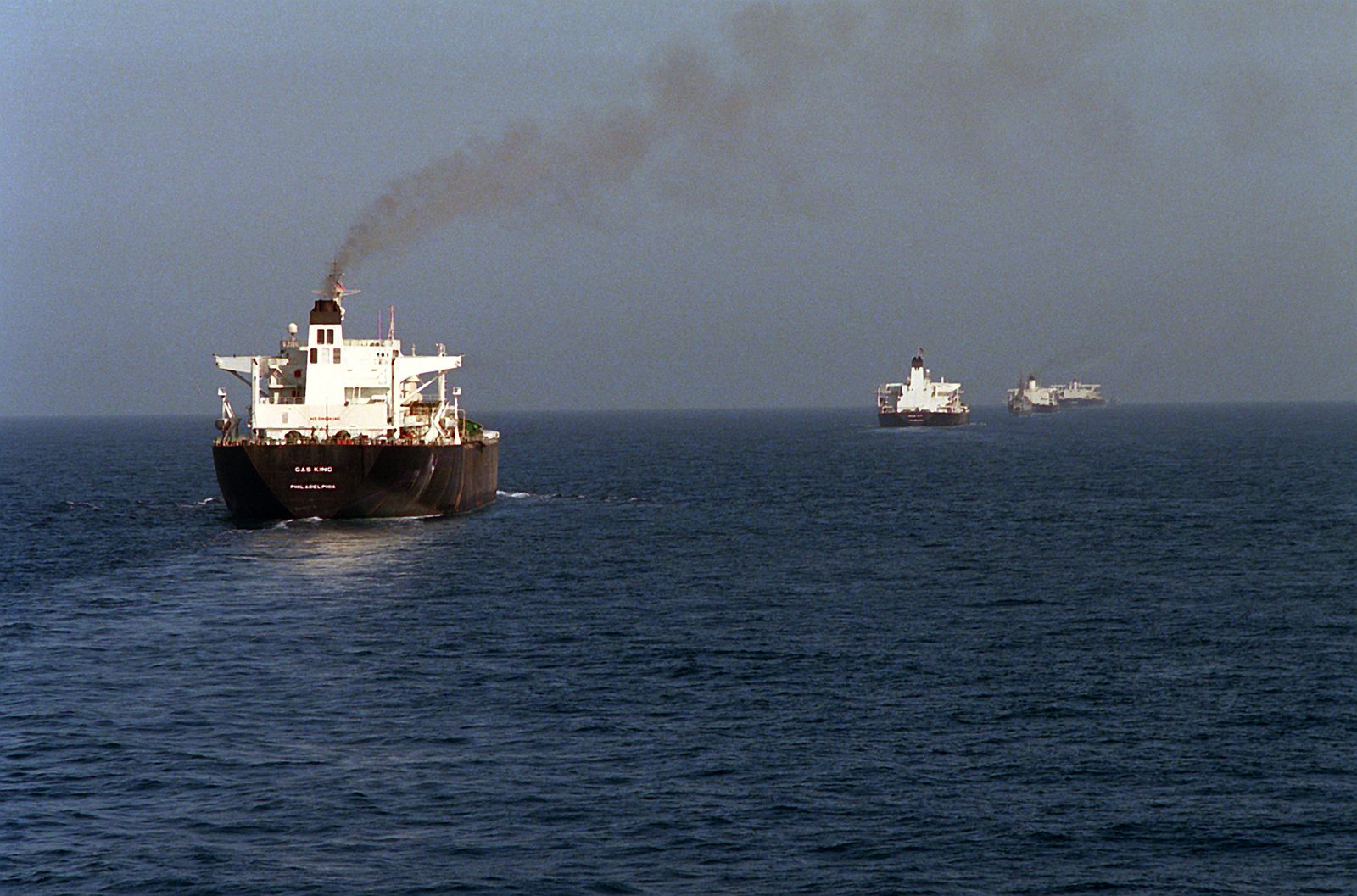

A handful of drone strikes against commercial vessels in the first 72 hours of the war sent insurance underwriters scrambling to withdraw war-risk coverage. Without coverage, tanker operators will not sail. Without tankers, 20 percent of the world's daily oil supply, and a comparable share of global LNG, remains bottled inside the Persian Gulf.
Iran achieved with a dozen expendable drones what its admirals could never have accomplished with their entire surface fleet: the functional closure of the most important chokepoint on earth. This report sets out five mutually reinforcing lines of effort that can break the gate without a single American soldier setting foot on Iranian soil.
Twenty-One Miles Wide, and Effectively Shut
normal petroleum transit
20m b/d
What Normally Moves
Roughly 20 million barrels a day of petroleum liquids transit Hormuz, plus a comparable share of global LNG. The shipping lane is two miles wide in each direction, separated by a two-mile buffer.
≈ zero
What Moves Now
As of March 16, 2026, commercial transit has collapsed to effectively zero. Over 300 ships sit stranded inside the Gulf. Oil has spiked past $100 a barrel; QatarEnergy has suspended LNG production.
1,500 km
The Threat Is Littoral, Not Naval
Iran's surface navy is largely destroyed. What remains, meaning drones, fast-attack boats and shore systems, is concentrated in Hormozgan, where the Strait narrows to 21 miles.
40 miles
The Corridor Concept
Rather than escorting single vessels across a 500-mile Gulf transit, defend the S-curved passage itself. That turns a 500-mile problem into a 40-mile sprint and multiplies throughput.

An Insurance Blockade, Not a Naval One
A dozen expendable drones strike commercial hulls
Underwriters withdraw war-risk coverage
No coverage, no sailing: hulls stay in port
A fifth of world oil supply stays bottled inside the Gulf
72 hours
The Trigger
A dozen expendable drones struck commercial hulls in the first three days of the war. No mines, no cordon, no fleet action.
War risk
The Transmission Belt
Underwriters withdrew war-risk coverage. Insurance, not the Iranian navy, is what closed the Strait.
The analytical error
Why a Cordon Is Not Needed
Treating the closure as a conventional blockade. Iran needs only to demonstrate, periodically, that transit carries unacceptable risk.
One test
What Every Line of Effort Is Measured Against
Does it cut assessed risk enough for underwriters to write coverage at a profit?
“The coalition does not need to command the Persian Gulf. It needs to control a single 40-mile corridor for the hours required to transit convoys through it.”
Earnest Will, with a Smaller Fleet
223 → 111
A Smaller Fleet, the Same Task
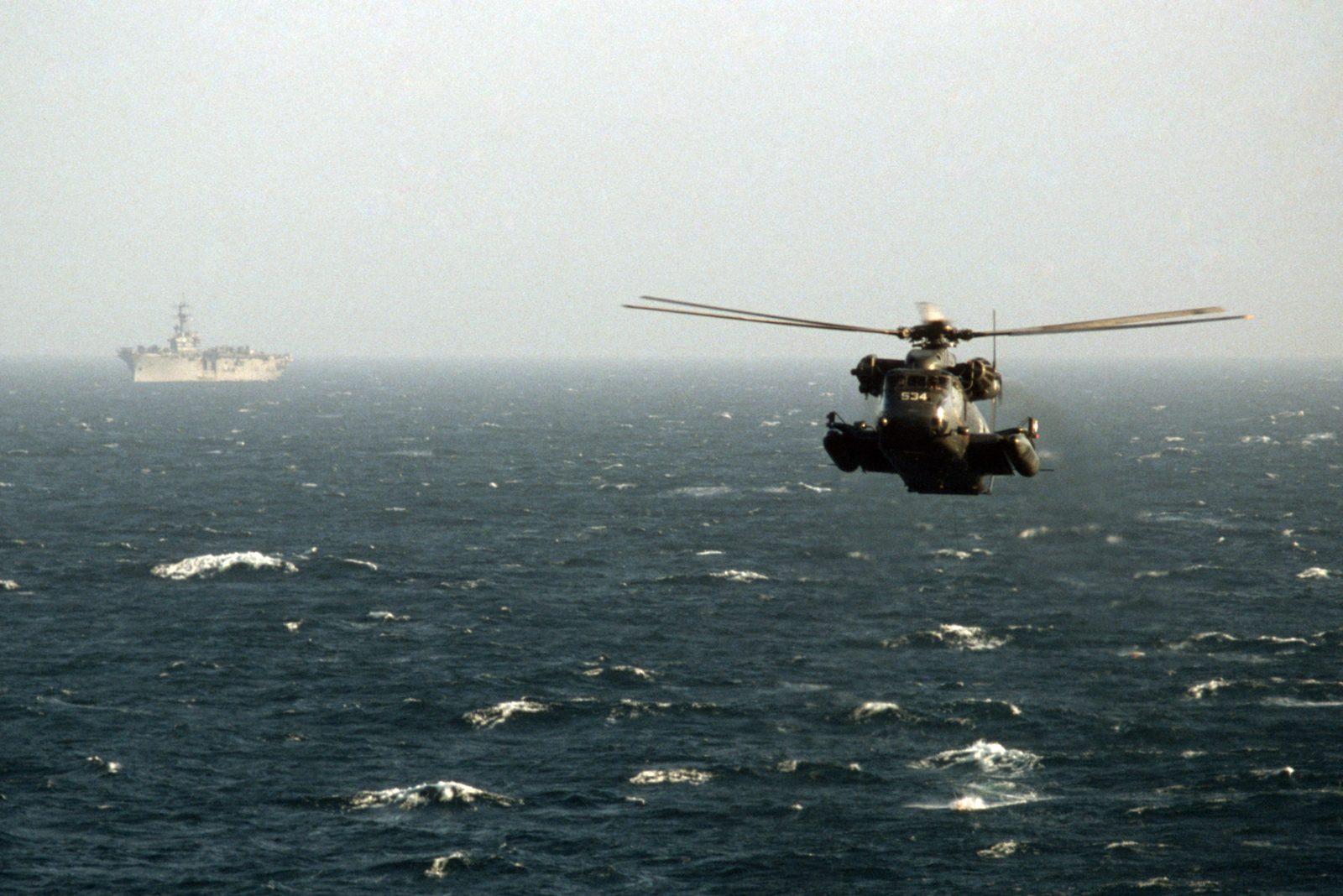
Earnest Will drew more than 30 Navy ships from a Navy of 223 surface combatants in 1987. The 2026 Navy has 111.
Hence the corridor
Escort What Is Narrow, Not What Is Wide
The coalition cannot afford to escort the whole Gulf, and does not need to.
127 convoys
What the Precedent Proves
127 convoys, 259 ships escorted, zero tankers lost, but only once route clearance was put ahead of escort. The Bridgeton struck a mine on the very first transit, before that lesson was learned.

Forty Years of Hedges, and a Ten-Million-Barrel Gap
Residual gap of at least 10m b/d. Destination inventories cover roughly 30 days.
20m b/d
The Volume to Replace
No combination of alternative routes fully replaces it. Partial replacement plus reserve releases and demand management is what buys the campaign political time.
Two pipelines already exist
Petroline and ADCOP
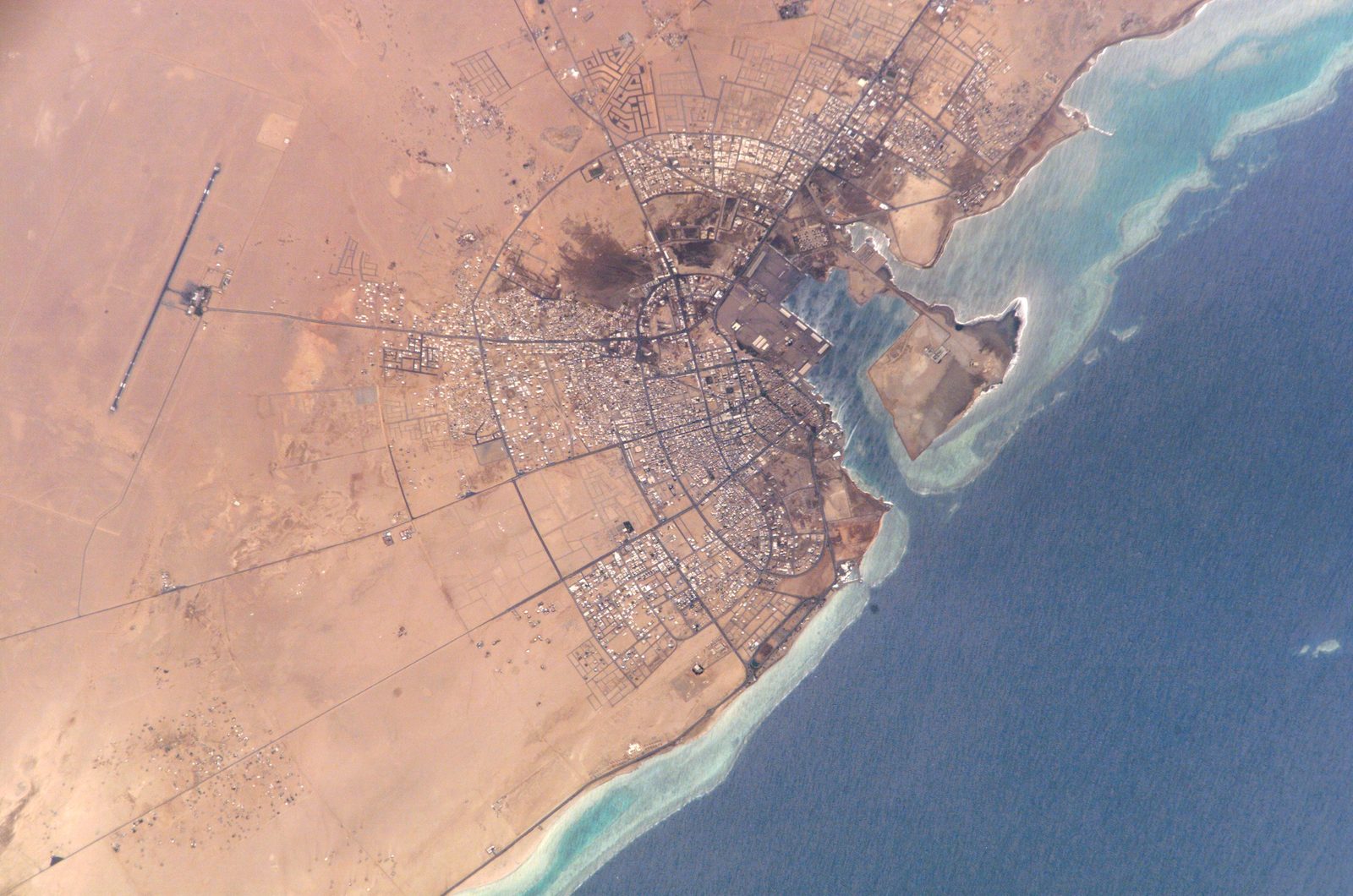
Petroline runs about 750 miles from Abqaiq to Yanbu. ADCOP runs 248 miles from Habshan to Fujairah, outside the Strait, and in mid-March was at 71 percent, leaving roughly 440,000 b/d spare. Egypt has offered SUMED at 2.5m b/d.
3.5 to 5.5
What Actually Flows Is Less
The IEA puts realistic combined alternative capacity at 3.5 to 5.5m b/d. Loading infrastructure, not pipe diameter, sets the ceiling.
10m b/d
The Residual Gap
At least ten million barrels a day cannot be rerouted. That gap is the clock the campaign runs against.

Five Lines, One Metric
Attrition of residual threat
Littoral diversion, Khuzestan
A modern Earnest Will
Bypass architecture
Closure made self-defeating
War-risk premium falls; hulls sail
Each line is necessary. None alone is sufficient. The gate does not need to be stormed. It needs to be made irrelevant.
Five lines
Why They Only Work Together
Attrition lowers residual risk. The diversion pulls IRGC capacity off Hormozgan. Escort demonstrates transit is survivable. Bypass buys political time. Economic pressure sets the clock.
One metric
Converging on a Single Number
Iran imports about 30 percent of its gasoline and 40 percent of its wheat; Bandar Abbas handles over 85 percent of its container traffic. Its own closure is a tourniquet on itself.
Berlin, not Normandy
The Historical Analogy That Fits
The 1948 blockade was not broken by assaulting the blockade. It was rendered pointless by an airlift landing at Tempelhof every 90 seconds.